
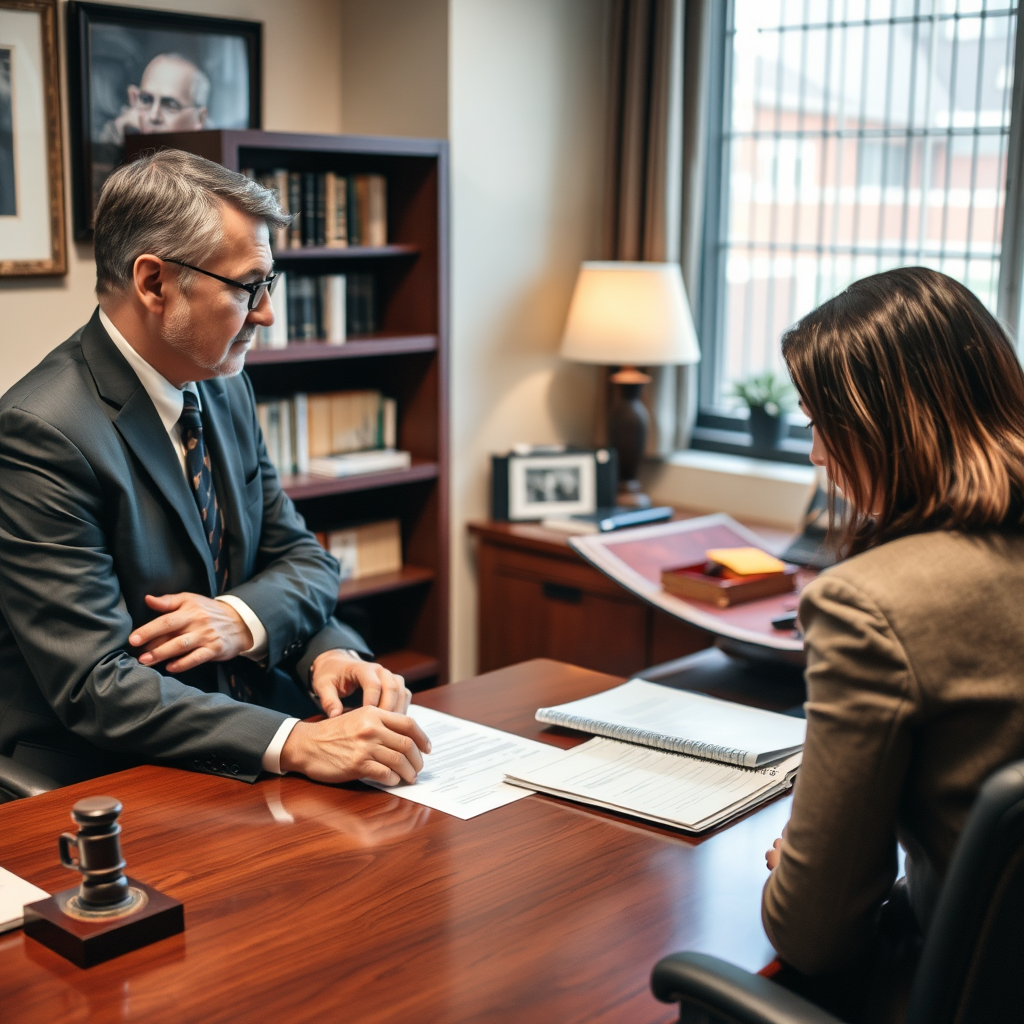
Virginia Sexual Assault Legal Process: Your Rights and Navigating the System
As of December 2025, the following information applies. In Virginia, the sexual assault legal process involves reporting to law enforcement, a thorough investigation, potential charges brought by the Commonwealth’s Attorney, and complex court proceedings. Victims possess important rights, including the ability to seek protective orders, and can pursue both criminal and civil legal avenues. The Law Offices Of SRIS, P.C. provides dedicated legal defense and guidance for these sensitive matters.
Confirmed by Law Offices Of SRIS, P.C.
What is the Sexual Assault Legal Process in Virginia?
The legal process following a sexual assault in Virginia can feel like a winding, uphill climb. Simply put, it generally begins when an incident is reported to law enforcement. From that initial report, the case progresses through various stages: investigation by the police, potential arrest of a suspect, formal charges being brought by the Commonwealth’s Attorney, and then through the court system, which can involve grand jury indictments, trials, and, if there’s a conviction, sentencing. It’s a journey that can be emotionally taxing and bewildering for anyone involved, but understanding each step can bring some measure of calm and control. We’re here to help make sense of it all.
Takeaway Summary: The sexual assault legal process in Virginia involves reporting, investigation, charging, and intricate court proceedings. (Confirmed by Law Offices Of SRIS, P.C.)
How to Report a Sexual Assault to the Police in Virginia & What Happens Next?
Reporting a sexual assault in Virginia is a profoundly personal decision, and it’s one that should be made when and if you feel ready. There’s no single “right” way to feel, and your safety and well-being are always the priority. If you do choose to report, knowing the steps can help you feel more prepared for what’s to come, whether you’re in Fairfax or anywhere else in the Commonwealth.
Blunt Truth: Reporting can be incredibly difficult, but it’s often the first step towards holding someone accountable and accessing support systems.
-
Contact Law Enforcement (Police or Sheriff’s Department)
You can contact your local police department or sheriff’s office. In Fairfax, for instance, you’d reach out to the Fairfax County Police Department. You don’t have to provide all the details at once. You can simply state that you need to report a sexual assault. An officer will typically be dispatched to your location, or you might be asked to come to the station. Remember, you control how much you share and when.
-
Forensic Medical Exam (SANE Exam)
Often referred to as a “rape kit” exam, a Sexual Assault Nurse Examiner (SANE) performs this. This exam collects physical evidence that can be crucial in a criminal investigation. It’s important to know that you can have this exam done even if you’re unsure about reporting to the police immediately. Evidence can often be preserved for a period of time. It’s done in a sensitive, respectful manner by trained professionals and doesn’t require you to relive the trauma verbally in detail.
-
Initial Interview & Statement
An officer or detective will interview you to gather information about what happened. This is where you’ll provide your account of the assault. You might be asked sensitive questions, but you have the right to have an advocate present. Be as honest and detailed as you can, but also know it’s okay if you don’t remember every single detail. Trauma can affect memory, and investigators understand this.
-
Investigation Phase
After your report, the police will begin their investigation. This could involve interviewing witnesses, collecting additional physical evidence, reviewing surveillance footage, and gathering other relevant information. This stage can take time, and it might feel like things are moving slowly, but a thorough investigation is vital for building a strong case.
-
Presentation to the Commonwealth’s Attorney
Once the police complete their investigation, they’ll present their findings to the Commonwealth’s Attorney (the prosecutor’s office) in your jurisdiction (e.g., Fairfax Commonwealth’s Attorney). It’s the Commonwealth’s Attorney who decides whether to bring criminal charges, not the police or the survivor. They’ll review the evidence and determine if there’s enough to proceed with prosecution.
-
Arrest & Charges
If the Commonwealth’s Attorney decides to proceed, an arrest warrant may be issued, and the suspect will be taken into custody. Formal criminal charges will then be filed. Sexual assault charges in Virginia carry serious penalties, from significant prison time to substantial fines, depending on the specifics of the assault.
-
Court Proceedings
This is the most formal part of the legal process. It includes preliminary hearings, grand jury indictments, pretrial motions, and potentially a trial. If the case goes to trial, you might be asked to testify. The goal here is to determine guilt or innocence under the law. We’ll talk more about testifying and other concerns in the next section.
What happens after a sexual assault is reported in Fairfax or any other Virginia locality truly varies. Every case has its own path, its own challenges. Having experienced legal counsel by your side can make all the difference, helping you understand your rights and guiding you through each stage, advocating for your best interests.
Can I Get a Protective Order, Drop Charges, or File a Civil Lawsuit for Sexual Assault in Virginia?
These are incredibly common and valid questions. When you’re dealing with the aftermath of a sexual assault, you’re often grappling with a mix of emotions and practical concerns. Let’s break down some key areas of worry and provide some clarity.
Protective Orders for Sexual Assault Victims in VA
Yes, absolutely. In Virginia, if you’re a victim of sexual assault, you can seek a protective order. This is a civil order issued by a judge designed to protect you from further harm or harassment by the accused. There are different types of protective orders, including emergency protective orders, preliminary protective orders, and protective orders for a fixed period (up to two years). They can prohibit the abuser from contacting you, coming near your home or work, or possessing firearms. Securing a protective order can provide a critical layer of safety and peace of mind.
Real-Talk Aside: A protective order isn’t just a piece of paper; it’s a legal shield. If the person violates it, they can face serious criminal charges.
Criminal vs. Civil Case for Sexual Assault in Virginia
It’s important to understand the distinction between a criminal case and a civil case for sexual assault in Virginia. They serve different purposes, have different burdens of proof, and lead to different outcomes:
- Criminal Case: This is brought by the state (the Commonwealth’s Attorney) against the accused. The purpose is to punish the offender for a crime committed against society. The burden of proof is “beyond a reasonable doubt,” and if convicted, the penalties can include imprisonment, fines, and registration as a sex offender. You, as the survivor, are a witness, not a party to the case.
- Civil Case: This is brought by the survivor (the plaintiff) directly against the assailant (the defendant). The purpose is to seek compensation for the damages suffered, such as medical expenses, lost wages, pain and suffering, and emotional distress. The burden of proof is “preponderance of the evidence,” which is a lower standard than in criminal court. A civil lawsuit can be filed regardless of whether criminal charges are brought or result in a conviction. For example, if you’re considering filing a civil lawsuit for assault in Arlington VA, you’d be seeking monetary damages for the harm you’ve endured.
You can pursue both a criminal and a civil case simultaneously. They are distinct legal processes.
Role of the Commonwealth’s Attorney in a Sexual Assault Case
The Commonwealth’s Attorney is the prosecuting attorney for the state. Their role is to represent the Commonwealth of Virginia in criminal proceedings. When a sexual assault is reported, the police investigate, but it’s the Commonwealth’s Attorney who makes the decision to press charges and then prosecutes the case in court. They work to prove the defendant’s guilt beyond a reasonable doubt. They also coordinate with victim/witness services to ensure survivors are informed and supported throughout the criminal process. They are not your personal attorney, but they do represent the public interest in seeing justice served.
Testifying in Court as a Sexual Assault Survivor in VA
Testifying in court can be one of the most daunting aspects of the legal process for a sexual assault survivor. You might be asked to recount painful details under oath, and you’ll likely face cross-examination by the defense attorney. It’s an incredibly challenging experience, but it’s a vital part of the justice system. To prepare for testifying in court as a sexual assault survivor in VA, you’ll work closely with the prosecutor and victim/witness advocates. They’ll explain the process, prepare you for potential questions, and ensure you understand your rights in the courtroom. Having your own attorney to advise you can also be very beneficial, even if they aren’t directly prosecuting the case.
Blunt Truth: Testifying is tough. It’s okay to feel scared. But your voice is powerful, and it matters. Support systems are in place to help you through it.
Can I Drop Sexual Assault Charges in Virginia?
This is a common question, and the answer is usually “no,” not directly. Once a sexual assault is reported and the Commonwealth’s Attorney decides to bring charges, it becomes a case between the State of Virginia and the defendant, not between you and the defendant. While your wishes are certainly considered, the decision to drop or pursue charges rests with the prosecutor, who represents the state’s interest in public safety and justice. However, your cooperation (or lack thereof) can significantly impact the prosecution’s ability to move forward with the case. If you have concerns about proceeding with charges, it’s essential to discuss them with the Commonwealth’s Attorney and your own legal counsel.
Why Hire Law Offices Of SRIS, P.C.?
When you’re facing something as overwhelming as the sexual assault legal process in Virginia, you need more than just a lawyer; you need someone who truly gets it, someone who combines sharp legal skill with genuine empathy. That’s what we offer at the Law Offices Of SRIS, P.C.
Mr. Sris, our founder, brings decades of experience to the table. His insight is clear: “My focus since founding the firm in 1997 has always been directed towards personally representing the most challenging criminal and family law matters our clients face.” This isn’t just a statement; it’s a promise of dedicated advocacy. We don’t just see cases; we see individuals navigating some of the most difficult moments of their lives. We provide steadfast support, strategic defense, and a commitment to protecting your rights every step of the way.
We understand the fear, the confusion, and the desire for justice and resolution. Our approach is to demystify the legal system for you, explain your options in plain language, and empower you to make informed decisions. We’re seasoned in Virginia’s legal landscape, equipped to defend your interests vigorously, whether that means pursuing a protective order, advising you through criminal proceedings, or representing you in a civil lawsuit for damages.
The Law Offices Of SRIS, P.C. has locations in Virginia, including our Fairfax office, ready to assist. You can reach us at:
- Address: 4008 Williamsburg Court, Fairfax, VA, 22032, US
- Phone: +1-703-636-5417
Don’t face this alone. Let our knowledgeable team stand with you. Your future matters, and we’re here to help you defend it.
Call now for a confidential case review.
Frequently Asked Questions About Sexual Assault Legal Process in Virginia
Q1: How long do I have to report a sexual assault in Virginia?
There’s no time limit for reporting a sexual assault to the police in Virginia, as the statute of limitations for criminal charges has generally been eliminated for these offenses. However, reporting sooner can help preserve evidence and strengthen a potential case.
Q2: Can a sexual assault case go to trial without the victim testifying?
While prosecutors generally prefer survivor testimony, a sexual assault case can sometimes proceed to trial without it if there’s enough other compelling evidence, such as forensic evidence, witness statements, or surveillance footage. It’s less common, but possible.
Q3: What if I don’t want the accused to go to jail?
Once the Commonwealth’s Attorney brings criminal charges, the focus is on public safety and justice. While your wishes are considered, the decision on sentencing and potential jail time ultimately rests with the court based on Virginia law and the severity of the offense.
Q4: What’s the difference between sexual battery and rape in Virginia?
Sexual battery in Virginia generally involves unwanted touching of an intimate nature. Rape (now called “forcible sodomy” or “object sexual penetration” depending on the act) involves non-consensual sexual intercourse or penetration. Rape carries much more severe penalties.
Q5: Can I get financial compensation for a sexual assault?
Yes, you can. Beyond criminal prosecution, you may be eligible for compensation through the Virginia Victims Fund, or you can pursue a civil lawsuit against the assailant to recover damages for medical bills, lost wages, and pain and suffering.
Q6: Do I need a lawyer if the Commonwealth’s Attorney is representing the state?
While the Commonwealth’s Attorney prosecutes the criminal case, they do not represent you personally. Having your own attorney ensures your individual rights and interests are protected, especially for protective orders or civil claims, and during your testimony.
Q7: What is “consent” in the context of sexual assault in Virginia?
Consent in Virginia must be affirmative, knowing, and voluntary. It cannot be given if someone is intoxicated, unconscious, or coerced. Silence or lack of resistance does not constitute consent. It must be a clear and unambiguous agreement to a specific sexual act.
Q8: How long does a sexual assault investigation typically take?
The duration of a sexual assault investigation varies greatly depending on the complexity of the case, the evidence available, and witness availability. Some investigations can be resolved in weeks, while others involving complex forensics or multiple jurisdictions can take months.
Q9: What support services are available for sexual assault survivors in Virginia?
Virginia offers numerous support services, including victim advocacy organizations, crisis hotlines, counseling, and medical assistance. These services provide emotional support, legal advocacy, and resources to help survivors cope with trauma and navigate the aftermath of an assault.
Q10: Can I file a report anonymously?
While you can sometimes provide anonymous tips to law enforcement, to initiate a formal investigation and potential prosecution for sexual assault, you generally need to provide your identity. However, measures can be taken to protect your privacy and safety throughout the process.
The Law Offices Of SRIS, P.C. has locations in Virginia in Fairfax, Loudoun, Arlington, Shenandoah and Richmond. In Maryland, our location is in Rockville. In New York, we have a location in Buffalo. In New Jersey, we have a location in Tinton Falls.
Past results do not predict future outcomes.